


































Science

MIT Researchers Develop New Electrolysis Catalyst Material for Making Hydrogen

posted onJuly 31, 2008
by hitbsecnews

Researchers say in ten years the discovery could lead to homes that capture solar energy to make hydrogen for power

The main method for getting hydrogen out of water – electrolysis -- has been around for a long time. Electrolysis breaks water into hydrogen and oxygen and is currently used in many industrial processes where hydrogen is needed.

Nasa reaches 50 with pioneer spirit lost

posted onJuly 30, 2008
by hitbsecnews

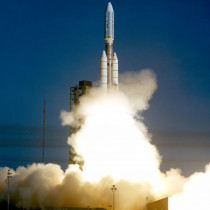
Nasa, the US space agency, is celebrating its 50th birthday this summer with an eclectic series of events. They range from air shows to gala dinners, from family picnics at Nasa centres to astronauts throwing ceremonial pitches at baseball games.

But sadly Nasa can offer no space spectacular to mark the anniversary of its formation in 1958 – in shocked response to the Soviet Union’s launch of Sputnik, the world’s first artificial satellite.

Can't sleep? Blame all those glowing gadgets

posted onJuly 29, 2008
by hitbsecnews

Twinkle, twinkle, little Internet router. And cell phone. And digital video recorder. And cable modem. And game console. And power strip. And TV — even though it's turned off.

Turn off the lamps in a living room or bedroom today, and chances are good the room will still be aglow with the tiny diode lights of a half-dozen gadgets.

They can be useful indicators of what state a gadget it is in, or where it is, but they also annoy people who'd rather not have lights shining in their faces when they're trying to sleep or watch movies.

How the Personal Genome Project Could Unlock the Mysteries of Life

posted onJuly 26, 2008
by hitbsecnews

George Church is dyslexic, narcoleptic, and a vegan. He is married with one daughter, weighs about 210 pounds, and has worn a pioneer-style bushy beard for decades. He has elevated levels of creatine kinase in his blood, the consequence of a heart attack. He enjoys waterskiing, photography, rock climbing, and singing in his church choir. His mother's maiden name is Strong. He was born on August 28, 1954.

NASA Solves 30-year Mystery of Auroras

posted onJuly 25, 2008
by hitbsecnews

NASA spacecraft have determined magentic substorms cause aurora borealis

The aurora borealis, also known as the northern lights, has been a puzzle to scientist for over 30 years. The mystery to science was how exactly the phenomenon was started in the atmosphere. According to Space.com, scientists were unsure if the aurora was started as magnetic field lines in the atmosphere reconnected or if the aurora originated closer to Earth as the result of explosive instability.

Can biofuels solve America's oil crunch?

posted onJuly 25, 2008
by hitbsecnews

A summer with budget-busting gasoline prices seems like the worst time to launch a cross-country road trip from California to Georgia, but this one is different: We're road-testing alternative fuel that might help reduce pollution and break the nation's reliance on foreign oil. The gasoline alternative is called biodiesel, and it's made from a mixture of diesel gasoline and vegetable oil, such as soy or corn. The vegetable oil is nontoxic and biodegradable.

Scientists: Humans and machines will merge in future

posted onJuly 15, 2008
by hitbsecnews

A group of experts from around the world will hold a first of its kind conference Thursday on global catastrophic risks. They will discuss what should be done to prevent these risks from becoming realities that could lead to the end of human life on Earth as we know it.

Speakers at the four-day event at Oxford University in Britain will talk about topics including nuclear terrorism and what to do if a large asteroid were to be on a collision course with our planet.

Will Our Future Brains Be Smaller?

posted onJuly 13, 2008
by hitbsecnews

The speed at which we react to threatening situations can have life or death implications. In the more primitive past, it could have meant escaping a wild animal; today it might mean swerving to avoid a head-on car crash.

Scientists Learn How Food Affects The Brain: Omega 3 Especially Important

posted onJuly 11, 2008
by hitbsecnews

"Food is like a pharmaceutical compound that affects the brain," said Fernando Gómez-Pinilla, a UCLA professor of neurosurgery and physiological science who has spent years studying the effects of food, exercise and sleep on the brain. "Diet, exercise and sleep have the potential to alter our brain health and mental function. This raises the exciting possibility that changes in diet are a viable strategy for enhancing cognitive abilities, protecting the brain from damage and counteracting the effects of aging."